
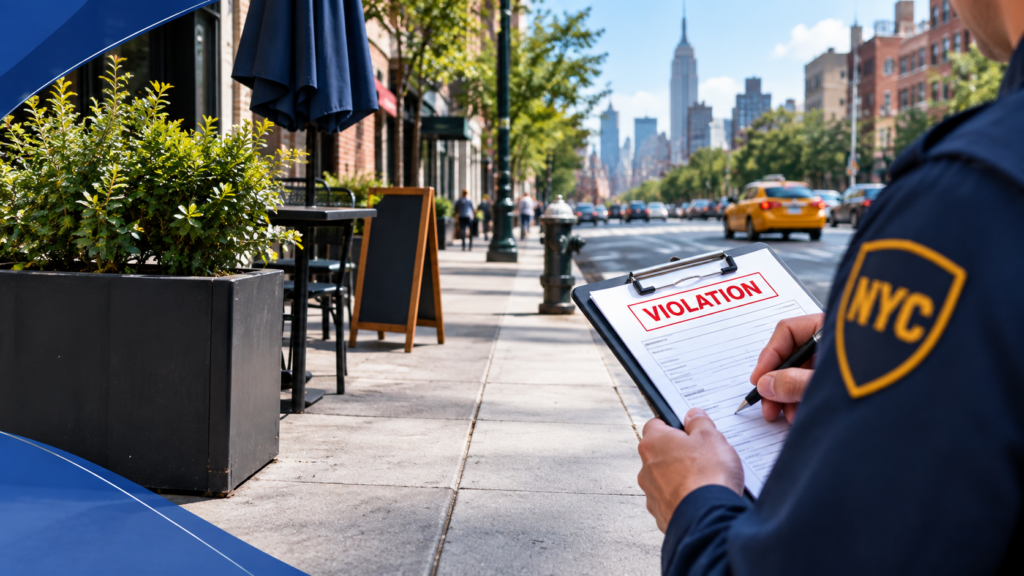
Receiving a sidewalk violation NYC notice can be stressful for a property owner. A damaged, uneven, or unsafe sidewalk may need to be repaired within a specific period, and failing to address the issue can lead to additional costs or further action.
The good news is that clearing a sidewalk violation does not have to be complicated when you understand the process. From reviewing the violation notice to completing the required repairs and arranging an inspection, each step plays an important role in getting the issue resolved.
What Is a Sidewalk Violation NYC?
A sidewalk violation is issued when an inspection identifies a sidewalk condition that does not meet applicable New York City requirements. Property owners are generally responsible for maintaining the sidewalk next to their property.
A violation may be related to conditions such as:
- Cracked or broken concrete
- Uneven sidewalk sections
- Raised or damaged sidewalk flags
- Trip hazards
- Holes or missing sections
- Deteriorated concrete
- Other unsafe sidewalk conditions
A small defect can sometimes create a larger pedestrian safety concern. That is why it is important to take a sidewalk violation seriously and address the problem promptly.
Why Do NYC Properties Receive Sidewalk Violations?
Sidewalks are exposed to heavy foot traffic, weather, tree roots, construction activity, and natural deterioration. Over time, these factors can cause concrete to crack, shift, or become uneven.
Common causes of a sidewalk violation NYC include:
Tree Root Damage
Tree roots can grow underneath sidewalks and push sections of concrete upward. This can create uneven surfaces and potential trip hazards.
Weather and Temperature Changes
Repeated freezing and thawing can contribute to cracks and deterioration. Rain and snow can also affect damaged areas over time.
Aging Concrete
Older sidewalks may gradually weaken and develop cracks, holes, or broken sections.
Heavy Use
Busy sidewalks experience constant pedestrian traffic. Commercial areas can experience additional wear from deliveries, equipment, and other activities.
Poor Previous Repairs
Repairs that were not completed properly may deteriorate faster or leave the sidewalk uneven.
How to Clear a Sidewalk Violation NYC
If you have received a violation, the first step is to understand exactly what NYC has identified as defective. The following process can help you organize the repair.
1. Review the Sidewalk Violation Notice
Carefully review the notice you received. Look at the property information, violation details, and the areas identified as defective. The inspection information can help you understand what needs to be corrected. If several sidewalk sections are listed, make sure every identified area is addressed.
Do not rely only on a quick visual inspection from the street. The official violation documentation should be used when planning the repair.
2. Check the Deadline
After receiving a sidewalk violation, property owners should pay close attention to the deadline for correcting the condition. NYC DOT generally gives property owners 75 days to make the required repairs after receiving a Notice of Sidewalk Violation. If the repairs are not completed within the required period, the City may arrange for the work and charge the property owner.
Starting early gives you more time to find a contractor, handle permit requirements, complete the repair, and arrange the required inspection.
3. Inspect the Damaged Sidewalk
Before beginning the repair, the sidewalk should be examined carefully.
The purpose of the inspection is to determine:
- Which sections are damaged
- Whether concrete needs to be removed
- Whether tree roots are involved
- Whether there are additional safety concerns
- What type of repair is necessary
- Whether permits or other requirements apply
A professional contractor can help identify the work required based on the violation notice and actual sidewalk condition.
4. Hire a Qualified Sidewalk Contractor
Choosing the right contractor is an important part of resolving a sidewalk violation. A qualified contractor should understand NYC sidewalk requirements, permits, repair methods, and the inspection process.
When selecting a contractor, consider:
- Experience with NYC sidewalk repairs
- Knowledge of local requirements
- Proper licensing where applicable
- Experience handling violation-related work
- Ability to coordinate the repair process
- Understanding of inspection requirements
Working with an experienced professional can make it easier to keep the project organized and avoid unnecessary delays.
5. Obtain the Required Permit
Sidewalk construction and repair work may require a permit. The contractor should determine which permit is needed and make sure the appropriate requirements are followed before starting the work. This step should not be overlooked. Completing a repair without following the required process may create additional problems when the work is reviewed.
An experienced sidewalk violation removal contractor NYC can help coordinate the permit and repair requirements.
6. Complete All Required Repairs
Once the repair process is ready to begin, the defective sections should be corrected according to the applicable NYC requirements.
Depending on the condition of the sidewalk, the work may include:
- Removing damaged concrete
- Preparing the repair area
- Addressing underlying problems
- Installing new concrete
- Creating an even walking surface
- Finishing the repaired section properly
If the violation identifies multiple defective areas, all of them should be addressed. Repairing only one visible crack while leaving other cited defects untouched may not resolve the violation.
7. Request a Dismissal Inspection
One of the most important steps in clearing a sidewalk violation NYC is the final inspection. After the required repair has been completed, the property owner should follow the NYC DOT process for requesting a sidewalk violation dismissal inspection. An NYC DOT inspector can then review the completed work and determine whether the cited sidewalk defects have been corrected.
This means that completing the physical repair does not necessarily mean the violation has already been cleared. The appropriate dismissal process still needs to be completed.
8. Keep Your Repair Records
It is a good idea to keep documentation related to the repair.
Depending on the project, records may include:
- Violation notice
- Inspection report
- Permit information
- Contractor information
- Repair documentation
- Inspection request details
- Final inspection information
Keeping these records organized can make it easier to track the status of the violation and respond if questions arise later.
What Happens If You Ignore a Sidewalk Violation?
Ignoring a sidewalk violation can create unnecessary problems. If the required repair is not completed within the applicable timeframe, NYC may take action to have the sidewalk repaired and may charge the property owner for the work.
An unresolved violation can also remain associated with the property until the required correction and dismissal process is completed. For this reason, property owners should not wait until the deadline is approaching before beginning the repair process.
Can a Sidewalk Violation Be Appealed?
In some situations, a property owner may believe that the violation was issued incorrectly or that the condition described in the inspection report does not accurately represent the sidewalk. NYC provides a process for requesting a re-inspection in certain circumstances. Property owners should review the current NYC DOT or NYC311 instructions to determine whether an appeal or re-inspection is appropriate.
If the sidewalk is genuinely defective, repairing the condition may be the most direct way to address the violation.
How Long Does It Take to Clear a Sidewalk Violation NYC?
The timeline can vary from one property to another.
Several factors can affect the process, including:
- Size of the repair
- Condition of the sidewalk
- Contractor availability
- Permit requirements
- Weather conditions
- Required inspection scheduling
- Whether additional defects are discovered
Because of these factors, property owners should begin the process as soon as possible after receiving the notice.
Common Mistakes Property Owners Should Avoid
A few simple mistakes can make the sidewalk violation process more difficult.
Waiting Too Long
Delaying the repair can make it harder to complete the work before the required deadline.
Not Reviewing the Violation Details
Property owners should understand exactly which areas were identified in the inspection report.
Hiring an Inexperienced Contractor
Sidewalk work in NYC involves more than simply pouring new concrete. The contractor should understand the applicable requirements and repair process.
Repairing Only One Problem
If multiple defects are included in the violation, addressing only one section may leave the issue unresolved.
Forgetting the Final Inspection
A completed repair still needs to go through the appropriate dismissal process before the violation is considered cleared.
When Should You Contact a Sidewalk Repair Contractor?
It is a good idea to contact a professional soon after receiving a violation notice. Early planning gives the contractor time to review the problem, explain the repair requirements, coordinate permits, schedule the work, and help prepare for the final inspection.
Professional assistance can be particularly useful for property owners who are unfamiliar with NYC sidewalk requirements or have a tight repair deadline.
How Reliance Group NYC Can Help
Reliance Group NYC provides construction and property repair services for New York City property owners. When a damaged sidewalk or violation needs attention, having an experienced contractor can help make the repair process more organized. Our team can assist with sidewalk-related repair needs, including damaged and uneven sidewalk conditions. We focus on completing the required work properly and helping property owners move through the repair process.
If you have received a sidewalk violation NYC notice, addressing the problem early can help you avoid unnecessary delays and additional complications.
FAQs
1. How do I clear a sidewalk violation in NYC?
To clear a sidewalk violation in NYC, review the violation notice, repair all cited sidewalk defects, complete the required permit process, and request a NYC DOT dismissal inspection after the work is finished.
2. How long do I have to fix a sidewalk violation in NYC?
Property owners generally have 75 days from receiving a Notice of Sidewalk Violation to complete the required repairs. It is recommended to start the process as soon as possible.
3. How much does it cost to fix a sidewalk violation in NYC?
The cost depends on the size and condition of the damaged area, the type of repair required, and other project requirements. A contractor can provide a more accurate estimate after inspecting the sidewalk.
4. Who is responsible for sidewalk violations in NYC?
In most cases, the property owner is responsible for maintaining and repairing the sidewalk adjoining the property, subject to NYC rules and applicable exceptions.
5. How do I check a sidewalk violation in NYC?
You can review your violation information through NYC’s official property and violation services or contact NYC311 for guidance on checking the status of a sidewalk violation.
Final Thoughts
Understanding how to clear a sidewalk violation NYC can make the process much easier for property owners. Start by reviewing the violation notice, checking the deadline, inspecting the affected areas, and selecting a qualified sidewalk contractor. The repair should address all cited defects and follow applicable NYC requirements. After the work is completed, the appropriate NYC DOT dismissal inspection should be requested so the repaired sidewalk can be reviewed.
For property owners dealing with sidewalk damage or a violation, taking action early is one of the most practical ways to keep the repair process on track.
Reliance Group NYC can help property owners address sidewalk repair needs and work toward resolving sidewalk-related issues efficiently and professionally.