
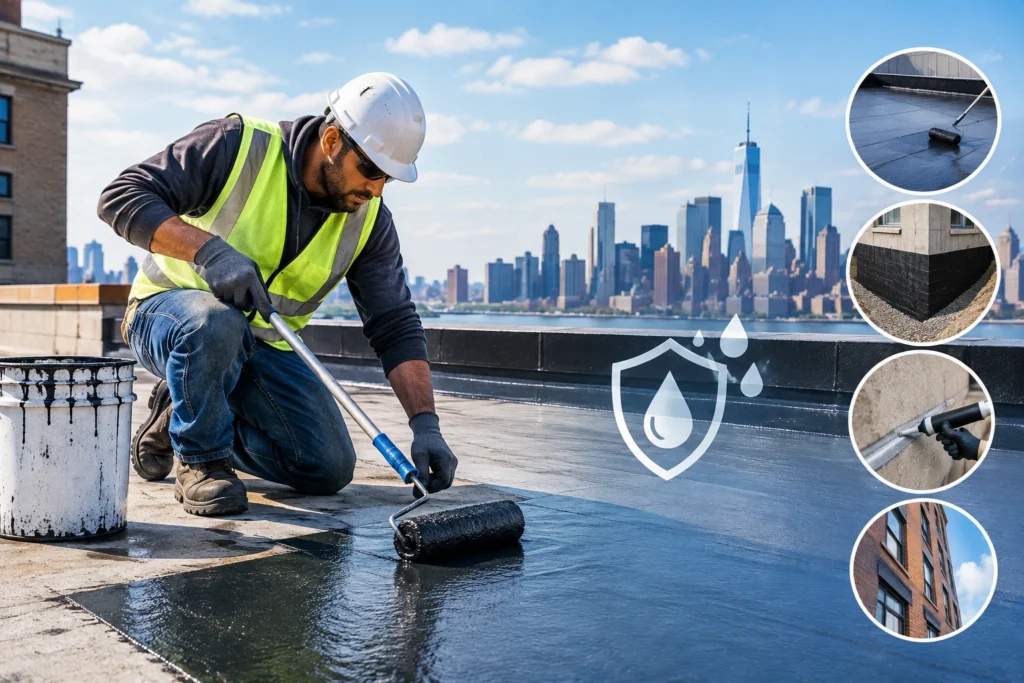
Water damage is a common concern for property owners in New York City. Heavy rainfall, aging buildings, leaking roofs, damaged foundations, and deteriorating exterior walls can allow moisture to enter a property. Over time, these issues may lead to mold growth, structural deterioration, damaged interiors, and costly repairs. Professional waterproofing helps protect buildings from these problems and supports their long-term maintenance.
Waterproofing Contractors NYC help residential and commercial property owners identify water intrusion problems and select suitable solutions. From basement waterproofing to roof protection and exterior wall repairs, these services address different sources of moisture before they develop into more serious issues.
Reliance Group NYC understands the importance of maintaining safe, durable, and well-protected properties. Knowing which waterproofing services are available can help building owners make informed decisions about repairs, restoration, and preventive maintenance.
What Services Do Waterproofing Contractors NYC Provide?
Waterproofing contractors identify areas where water can enter a building and recommend methods to prevent moisture penetration. Their work may involve inspecting building surfaces, locating leaks, repairing damaged materials, applying waterproof coatings, and improving drainage systems. The appropriate solution depends on the property’s construction, the location of the leak, the condition of existing materials, and the source of the moisture.
For example, a leaking basement may require drainage improvements and foundation repairs, while water entering through an exterior wall may require crack repairs, joint sealing, or a protective waterproofing system. Experienced contractors evaluate these conditions before recommending repairs. This approach helps address the underlying cause rather than simply covering visible water damage.
Common Waterproofing Services in NYC
New York City properties have different waterproofing requirements depending on their age, design, location, and exposure to weather. The following services address some of the most common moisture-related problems.
1. Basement Waterproofing
Basements are particularly vulnerable to water intrusion because they are below ground level. Rainwater, groundwater pressure, foundation cracks, and inadequate drainage can contribute to damp walls, standing water, and persistent leaks.
Basement waterproofing may involve several methods, including:
- Sealing cracks in foundation walls and floors.
- Applying suitable waterproofing membranes or coatings.
- Improving exterior drainage around the foundation.
- Installing interior drainage systems where appropriate.
- Addressing water entry around pipes and other openings.
The right approach depends on whether water is entering through the walls, floor, joints, or surrounding soil. Contractors should investigate the source before selecting a repair method.
Proper basement waterproofing can help protect stored belongings, finished interiors, mechanical equipment, and usable space from moisture damage.
2. Roof Waterproofing
Roofs face constant exposure to rain, snow, temperature changes, and other environmental conditions. Damaged roofing materials, deteriorated seams, blocked drains, and poorly sealed penetrations can allow water to enter a building. Roof waterproofing services may include repairing damaged roof sections, sealing vulnerable joints, applying compatible waterproof coatings, and improving drainage around roof surfaces.
Flat roofs require particular attention because water can collect when drainage systems are blocked or roof surfaces have inadequate slopes. Standing water can place additional stress on roofing materials and increase the risk of leaks. Routine roof inspections help property owners identify deteriorating materials before moisture reaches ceilings, insulation, electrical systems, or interior walls.
3. Foundation Waterproofing
A building’s foundation plays an important role in its stability and long-term performance. Water entering through foundation cracks or poorly sealed joints can damage interior finishes and contribute to continuing moisture problems. Foundation waterproofing may include crack repair, exterior membrane installation, joint sealing, and drainage improvements. Some projects also require a structural assessment if movement, settlement, or significant cracking is present.
It is important to distinguish ordinary moisture intrusion from signs of structural damage. Large or widening cracks, noticeable wall movement, and uneven floors may require evaluation by a qualified structural engineer. Effective foundation protection addresses both water entry and the conditions that allow moisture to accumulate around the building.
4. Exterior Wall Waterproofing
Exterior walls protect buildings from rain, wind, and changing weather conditions. Over time, damaged masonry, deteriorating mortar joints, failed sealants, and cracks can create openings that allow water to penetrate. Exterior wall waterproofing may involve repairing masonry, replacing deteriorated sealants, restoring mortar joints, and applying appropriate protective treatments.
In older New York City buildings, water can also enter around windows, doors, facade connections, and other transitions between building materials. Identifying these vulnerable areas is an important part of an effective repair plan.
Property owners should choose treatments that are compatible with the existing wall materials. For example, certain coatings can interfere with moisture movement through masonry if they are not selected and installed correctly.
5. Commercial Building Waterproofing
Commercial properties often have larger and more complex waterproofing requirements than smaller residential buildings. Offices, apartment buildings, retail spaces, warehouses, and mixed-use properties may experience leaks across roofs, facades, foundations, terraces, and below-grade spaces.
Commercial waterproofing projects may include:
- Roof membrane repairs and replacement.
- Foundation and basement moisture protection.
- Exterior wall and masonry repairs.
- Sealing expansion joints and construction joints.
- Waterproofing terraces, balconies, and other exposed surfaces.
- Improving drainage around vulnerable areas.
Water intrusion can disrupt business operations, damage equipment, and create maintenance concerns for tenants and property managers.
A planned maintenance strategy helps building owners identify potential problems, schedule necessary repairs, and reduce the likelihood of unexpected water damage.
6. Terrace and Balcony Waterproofing
Terraces and balconies are exposed to rainfall, temperature fluctuations, and repeated wetting and drying. If waterproofing membranes deteriorate or drainage becomes blocked, water can penetrate the surface and reach the structure below. Waterproofing work may involve removing damaged materials, repairing the substrate, installing a compatible membrane, sealing critical joints, and correcting drainage issues.
Special attention is needed around railings, door thresholds, drains, and wall connections because these locations can become entry points for moisture. Regular inspections are useful for identifying loose surface materials, cracks, persistent puddles, and deteriorating sealants before more extensive repairs become necessary.
7. Parking Garage and Concrete Waterproofing
Parking garages and concrete structures can be affected by water penetration, especially where cracks, joints, or deteriorating protective coatings allow moisture to reach the concrete or embedded steel reinforcement. In New York City, exposure to road salts and repeated freeze-thaw cycles can contribute to concrete deterioration. Water infiltration may worsen these conditions and increase long-term maintenance requirements.
Depending on the condition of the structure, waterproofing work may include crack injection, joint repairs, protective coatings, membrane systems, and concrete restoration.
For parking garages and other structural facilities, contractors should assess the condition of the concrete and reinforcement before deciding on the appropriate repair system.
Why Is Waterproofing Important for NYC Buildings?
Waterproofing is more than a cosmetic improvement. It helps protect building materials, supports property maintenance, and reduces the risk of recurring moisture problems.
Prevents Expensive Water Damage
A small leak can spread into insulation, drywall, flooring, and other building materials. If the source remains untreated, repairs may become more extensive and expensive. Early detection and appropriate waterproofing can help limit the damage and reduce the likelihood of repeated repairs.
Helps Reduce Mold and Dampness
Persistent moisture can create conditions that support mold growth. Mold may damage building materials and affect indoor air quality. Controlling moisture at its source is an important step in preventing recurring dampness. Existing mold or extensive water damage may also require separate assessment and remediation.
Protects Building Materials
Water can gradually damage masonry, concrete, roofing systems, sealants, and interior finishes. In colder weather, moisture trapped in porous materials may contribute to deterioration during freeze-thaw cycles. Suitable waterproofing and timely maintenance help preserve these materials and extend their useful service life.
Supports Property Value and Maintenance
Visible water stains, musty odors, peeling paint, and recurring leaks can raise concerns for prospective buyers, tenants, and property managers. Maintaining effective waterproofing systems helps keep a property in better condition and makes it easier to plan future maintenance.
Helps Maintain Business Operations
For commercial buildings, water damage can interrupt daily activities, affect tenants, and damage inventory or equipment. Addressing vulnerable areas before a major leak develops can help reduce operational disruption.
Signs Your Property May Need Waterproofing
Water intrusion is not always immediately visible. Property owners should pay attention to warning signs that may indicate a developing problem.
Common signs include:
- Water stains on ceilings or walls.
- Damp basement floors or foundation walls.
- Peeling paint or bubbling wall finishes.
- Musty odors in enclosed spaces.
- White mineral deposits on masonry, sometimes called efflorescence.
- Cracks around windows, foundations, or exterior walls.
- Water collecting near the building after rainfall.
- Repeated leaks despite previous repairs.
- Deteriorating roof membranes or exterior sealants.
These symptoms can have different causes, so they should not automatically be treated with the same waterproofing method. A professional inspection can help identify the source and determine whether repairs, drainage improvements, or a more comprehensive waterproofing system are needed.
How to Choose the Right Waterproofing Contractors NYC
Selecting a contractor is an important step in protecting your property. The cheapest estimate may not provide the most suitable long-term solution, particularly when water intrusion involves multiple building systems.
Consider the following factors when evaluating contractors.
Review Relevant Experience
Look for contractors with experience in the specific area requiring attention, such as commercial roofs, below-grade foundations, masonry walls, terraces, or parking structures. Different surfaces require different materials and repair methods. Relevant project experience can help ensure the proposed solution addresses the actual problem.
Request a Detailed Inspection
A reliable contractor should investigate where water is entering and explain the likely causes. Depending on the project, this may involve examining roof drains, foundation walls, facade joints, plumbing penetrations, or existing waterproofing membranes. If the cause is unclear, ask what additional investigation may be necessary before repairs begin.
Understand the Proposed Solution
Ask the contractor to explain the recommended waterproofing system, the preparation work required, the materials being used, and any limitations.
For example, applying a surface coating may not resolve a problem caused by poor drainage or ongoing groundwater pressure. Understanding the repair plan helps you compare estimates more accurately.
Verify Insurance, Licensing, and Safety Practices
Check that the contractor has appropriate insurance and any licenses or permits required for the specific work. Requirements vary according to the project and the type of work being performed. For larger buildings, facade repairs, or structural waterproofing projects, ask about site safety, access arrangements, and coordination with other construction professionals.
Compare Written Estimates
A detailed estimate should describe the work, materials, preparation requirements, expected schedule, and applicable warranty terms.
Compare the scope of each proposal rather than looking at the total price alone. A lower quote may exclude important repairs or preparation work that another contractor has included.
What Affects the Cost of Waterproofing in NYC?
Waterproofing costs vary considerably from one property to another. The final price depends on the size of the affected area, the accessibility of the work, the selected materials, and the severity of the water intrusion.
Several factors influence the total cost:
Type of waterproofing: Roof, basement, foundation, facade, and parking garage projects require different materials and labor.
Extent of damage: Minor sealant repairs may be relatively straightforward, while deteriorated concrete, extensive membrane failure, or major drainage problems may require additional work.
Accessibility: Scaffolding, specialized equipment, excavation, or restricted site access can increase project costs.
Building condition: Older properties may require masonry repairs, substrate preparation, or replacement of damaged materials before waterproofing can begin.
Project size: Larger buildings may require more materials and labor, although the cost per unit of area can vary depending on the project.
Permits and professional assessments: Certain projects may require permits, engineering assessments, or additional safety measures.
For an accurate estimate, request an on-site assessment and a written breakdown of the recommended work. This helps clarify which repairs are necessary and whether the project should be completed in phases.
Why Choose Reliance Group NYC for Building Restoration and Waterproofing Projects?
Property owners need a clear understanding of the problem, a suitable repair strategy, and careful coordination throughout the construction process.
Reliance Group NYC works in the New York City construction and restoration sector, where maintaining building conditions and addressing deterioration are important parts of property management. For waterproofing-related concerns, property owners should discuss the affected area, the source of the moisture, and the scope of the required work with the company to determine the appropriate service.
A well-planned project should focus on identifying the cause of water intrusion, selecting compatible materials, coordinating any necessary repairs, and considering the building’s long-term maintenance requirements. Whether you manage a commercial property or own a residential building, addressing moisture problems early can help reduce further deterioration and support the property’s long-term condition.
Before beginning work, request a clear assessment of the affected areas, a written scope of work, and an explanation of the recommended repair approach.
Conclusion
Water intrusion can affect almost every part of a building, from the roof and exterior walls to the basement, foundation, and parking structure. Professional waterproofing helps property owners identify vulnerable areas, prevent recurring leaks, and protect important building materials. When comparing Waterproofing Contractors NYC, consider their relevant experience, inspection process, proposed materials, safety practices, and written estimates. The most effective solution is one that addresses the source of the moisture rather than simply concealing visible damage.
Reliance Group NYC can be a starting point for property owners exploring construction and restoration solutions in New York City. Discussing your building’s specific needs with a qualified professional can help you determine the next steps toward a safer, better-maintained property.
Frequently Asked Questions
1. What services do waterproofing contractors in NYC provide?
Waterproofing contractors may provide basement, foundation, roof, exterior wall, terrace, balcony, and parking garage waterproofing. Services depend on the contractor’s expertise and the property’s specific requirements.
2. How do I know if my building needs waterproofing?
Common warning signs include recurring leaks, damp walls, water stains, peeling paint, musty odors, foundation cracks, and standing water near the property. An inspection can help determine the source of the problem.
3. How much does waterproofing cost in NYC?
The cost depends on the affected area, materials, accessibility, extent of damage, and required repairs. An on-site inspection and detailed estimate provide a more reliable price than a general online estimate.
4. How long does a waterproofing project take?
Small sealing or repair jobs may take a short time, while extensive basement, roof, facade, or parking garage projects can take considerably longer. Project size, weather, access, and preparation requirements affect the schedule.
5. Is waterproofing necessary for commercial buildings?
Waterproofing can be important for commercial buildings because leaks may damage equipment, interiors, inventory, and structural materials. Regular inspections and timely repairs help reduce the risk of recurring moisture problems.
6. Can waterproofing fix existing foundation cracks?
Some foundation cracks can be repaired using appropriate sealants or injection systems. However, cracks associated with structural movement or significant deterioration may require further evaluation before waterproofing repairs are selected.
7. How often should waterproofing systems be inspected?
Inspection frequency depends on the building, the waterproofing system, its age, and its exposure to weather. Roofs, drainage systems, exterior joints, and previously repaired areas should be checked regularly and after significant signs of water intrusion.
8. How can I choose reliable Waterproofing Contractors NYC?
Look for relevant experience, appropriate insurance and licensing, a thorough inspection process, clear written estimates, suitable materials, and documented warranty terms. Make sure the contractor explains how the proposed work will address the source of the water intrusion.