
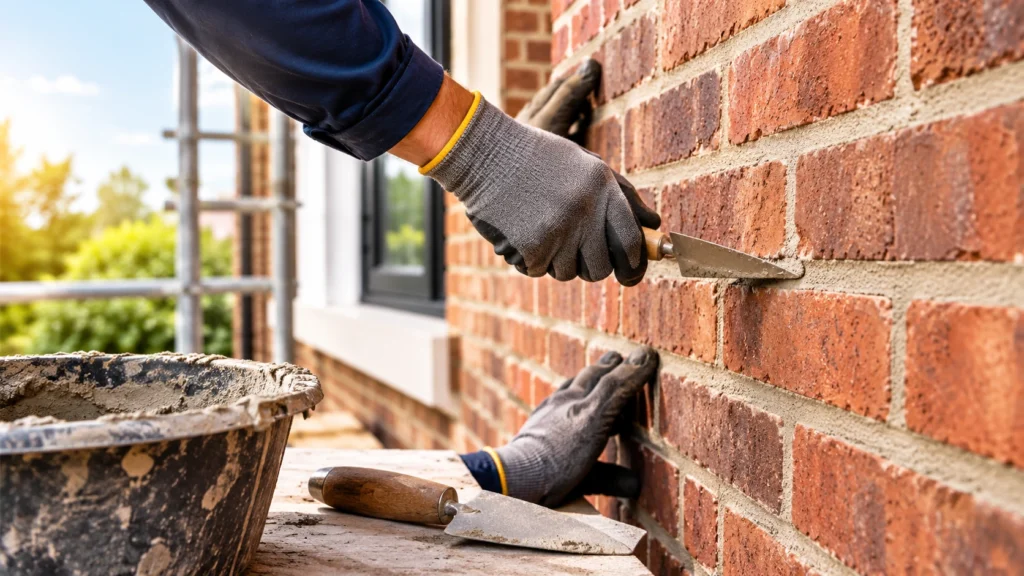
Brick buildings can last for generations, but the mortar between the bricks can become weak long before the bricks themselves need replacement. Years of rain, snow, temperature changes, moisture, and normal building movement can gradually wear down the joints. The problem is that mortar damage is not always easy to notice in its early stages. A wall may still look fine from a distance while the joints are already beginning to deteriorate.
Knowing the warning signs can help property owners take action at the right time. Professional Brick Pointing Services can repair damaged mortar joints and help protect the surrounding masonry from further deterioration.
Why Do Brick Walls Need Pointing?
Mortar joints are constantly exposed to outdoor conditions. In a city like New York, brick facades have to deal with changing temperatures, heavy rain, snow, wind, and seasonal moisture. Over time, these conditions can cause mortar to become cracked, loose, recessed, or powdery. Once the joints start to deteriorate, moisture can find its way into areas of the wall that should remain protected.
Brick pointing focuses on repairing these worn areas before the damage spreads. Timely maintenance can help preserve the appearance and condition of a brick facade while reducing the possibility of more extensive masonry repairs.
Signs That Your Brickwork Needs Pointing
Not every old brick wall needs immediate repointing. However, several visible signs can indicate that it is time to have the masonry inspected.
1. Crumbling Mortar
Crumbling or powdery mortar is one of the easiest signs to recognize. If the joints between bricks are breaking apart when touched or appear noticeably softer than the surrounding areas, the mortar may have deteriorated.
Leaving severely weakened mortar untreated can make the wall more vulnerable to moisture and weather exposure.
2. Cracks in the Mortar Joints
Small cracks can occur as buildings age, but larger or widespread cracks should not be overlooked. Cracked joints can provide openings for water. During cold weather, moisture that enters the masonry can freeze and expand, potentially making existing damage worse.
A professional inspection can help determine whether the cracking requires localized pointing or more extensive masonry work.
3. Missing Sections of Mortar
Look closely at the joints between the bricks. If you can see open gaps where mortar has completely disappeared, the wall may need attention.
Missing mortar leaves parts of the masonry exposed. If several joints are affected, professional Brick Pointing Services can restore the damaged areas and help improve the wall’s resistance to moisture.
4. Recessed or Deeply Worn Joints
Mortar joints are normally visible between the bricks, but they should not appear excessively deep or washed away. If the mortar has worn back significantly from the face of the brick, it may indicate long-term deterioration. Recessed joints can also collect moisture and debris, making the problem worse over time.
5. Water or Dampness Inside the Building
Water stains on interior walls near exterior brickwork can sometimes be connected to masonry problems. Deteriorated mortar is only one possible cause. Roof defects, flashing issues, window openings, cracks, and other building components can also allow water inside. For this reason, it is important to identify the actual source rather than simply repairing the visible interior stain.
6. Loose Bricks
Loose bricks require prompt attention. If the mortar around a brick has deteriorated significantly, the brick may no longer be properly supported.
A loose brick can also indicate that deterioration has progressed beyond a few minor mortar joints. A professional should inspect the area to determine whether pointing, brick replacement, or additional repairs are necessary.
7. Flaking or Spalling Bricks
Sometimes bricks themselves begin to crack, flake, or break apart. This is commonly known as spalling. Spalling may be associated with moisture and freeze-thaw exposure, but it can have different causes. Pointing alone may not solve the problem if the brick units are already severely damaged. A proper masonry assessment can determine what type of repair is appropriate.
What Happens If Damaged Mortar Is Ignored?
It is easy to put off masonry repairs when the damage seems minor. However, mortar deterioration can gradually spread. When joints are badly damaged, moisture has more opportunities to enter the wall. Continued moisture exposure can contribute to further deterioration of the mortar and bricks.
Over time, a problem that could have been addressed with localized repairs may require more extensive masonry restoration. This does not mean every small crack will become a major structural problem. The important point is to have significant or widespread deterioration evaluated rather than allowing it to continue unnoticed.
How Does Professional Brick Pointing Work?
The exact process depends on the condition of the building, but professional pointing generally involves several important steps. First, the masonry is inspected to identify damaged and deteriorated joints. The affected mortar is then carefully removed to an appropriate depth without unnecessarily damaging the surrounding bricks. The joints are cleaned and prepared before suitable new mortar is applied. The new material is finished to match the existing masonry as closely as practical.
Good workmanship matters because mortar needs to be compatible with the existing brickwork. Simply filling damaged areas without considering the condition and characteristics of the original masonry can lead to poor results.
How Often Should Brick Pointing Be Done?
There is no fixed schedule for every building. The service life of mortar depends on several factors, including the age of the building, original construction quality, type of mortar, weather exposure, moisture conditions, and previous repairs. Instead of waiting for a specific number of years, property owners should pay attention to the condition of the masonry.
Regular visual inspections can help identify problems such as cracks, missing mortar, and excessive joint erosion at an earlier stage.
Can Brick Pointing Improve the Appearance of a Building?
Yes. Worn and discolored mortar can make an otherwise attractive brick facade look neglected. Replacing severely deteriorated joints can create a cleaner and more consistent appearance. However, the main purpose of pointing is not simply cosmetic. Properly maintained mortar joints also help protect the masonry from weather and moisture.
For older NYC buildings, keeping the brick facade in good condition can be an important part of overall property maintenance.
When Should You Contact a Professional?
You should consider having your brickwork professionally inspected when you notice:
- Extensive crumbling mortar
- Large or repeated cracks
- Missing mortar joints
- Deeply recessed joints
- Water penetration
- Loose bricks
- Spalling or damaged bricks
- Masonry deterioration across a large section of the facade
If you are unsure whether the damage requires pointing, an inspection can provide a clearer answer. A professional can determine whether the issue is limited to mortar joints or whether other masonry components also require attention.
Brick Pointing Services in New York City
NYC properties are exposed to a wide range of weather conditions throughout the year. Over time, these conditions can take a toll on exterior masonry, especially on older buildings.
Reliance Group NYC provides building restoration and masonry services for property owners who need professional assistance with deteriorated brickwork. An experienced contractor can evaluate the condition of the facade and recommend suitable repair solutions.
Addressing masonry deterioration early can help property owners maintain their buildings and avoid allowing relatively small issues to develop into larger repair projects.
Final Thoughts
Brick pointing is an important part of maintaining older and newer brick buildings. Crumbling mortar, cracked joints, missing mortar, deep erosion, moisture problems, loose bricks, and spalling are all signs that your masonry may need professional attention.
You do not have to wait until the damage becomes severe. Having the brickwork inspected when you first notice signs of deterioration can help you understand the condition of the wall and determine what repairs are actually needed.
If your NYC property is showing signs of worn or damaged mortar, professional Brick Pointing Services can help restore the affected joints and protect the condition of your brick facde.
Frequently Asked Questions
1. What is brick pointing used for?
Brick pointing is used to repair deteriorated mortar joints between bricks. It helps restore damaged areas and can improve the masonry’s resistance to moisture and weather exposure.
2. How can I tell if my brickwork needs pointing?
Look for crumbling mortar, cracks, missing joints, deeply recessed mortar, loose bricks, or signs of water penetration. If you notice several of these problems, it is a good idea to have the masonry professionally inspected.
3. Is brick pointing the same as brick replacement?
No. Brick pointing repairs the mortar joints between bricks, while brick replacement involves removing damaged bricks and installing new ones. Some masonry projects may require both types of work.
4. Can damaged mortar cause water problems?
Yes. Severely deteriorated or missing mortar can create openings through which moisture may enter the masonry. However, water penetration can have several causes, so the building should be properly inspected to identify the source.
5. How long does brick pointing last?
The lifespan of repointing varies depending on the mortar, workmanship, building exposure, weather conditions, and maintenance. Properly completed work can last for many years, but masonry should still be inspected periodically.