
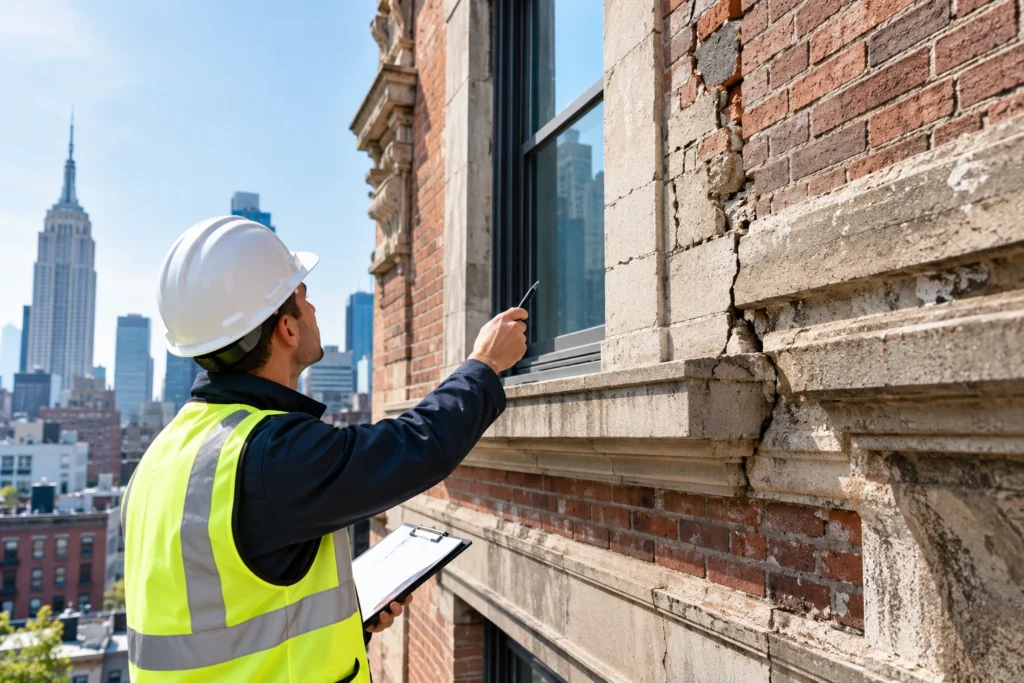
A small crack in a brick wall may not seem like a serious problem. A little water around a window might appear to be nothing more than a maintenance issue. However, these minor changes can sometimes be early signs of deterioration that affects a building’s exterior over time.
In New York City, building facades face many challenges throughout the year. Heavy rain, freezing temperatures, summer heat, pollution, and natural material aging can gradually weaken exterior walls and masonry joints. Without proper attention, small defects may develop into larger problems that require more extensive repairs.
This is where Facade Inspection Services NYC become valuable for property owners and building managers. A professional inspection helps identify visible damage, evaluate potentially unsafe conditions, and determine which areas need maintenance or further investigation.
For residential buildings, commercial properties, and older masonry structures, understanding the condition of the facade is an important part of responsible property management. Reliance Group NYC recognizes the importance of maintaining building exteriors and addressing developing issues before they become more difficult to manage.
Why Building Facades Need Regular Attention
A building facade is constantly exposed to the outdoor environment. Although brick, concrete, stone, and other exterior materials are designed to withstand weather conditions, they can deteriorate as they age. Water can enter through damaged mortar joints or gaps around windows. Repeated freezing and thawing may worsen existing cracks. Metal components can corrode, and sealants can lose their effectiveness after years of exposure. These changes do not always happen suddenly. In many cases, deterioration develops gradually, making it easy for property owners to overlook early warning signs.
Regular facade inspections provide an opportunity to examine the building’s exterior and identify areas that may need attention. Instead of waiting for a leak to damage an interior wall or a piece of masonry to become loose, owners can make informed decisions about maintenance and repairs. The purpose is not simply to improve the building’s appearance. It is also to understand its condition, manage potential risks, and protect the people who live, work, or walk nearby.
1. Finding Small Cracks Before They Become Bigger Problems
Cracks are among the most common defects found on building exteriors. They may appear between bricks, across concrete surfaces, around window openings, or near the corners of a building.
Some cracks develop because exterior materials expand and contract as temperatures change. Others may be associated with aging mortar, moisture penetration, settlement, or movement within the building. The important question is not just whether a crack exists, but why it has appeared and whether it is changing.
What Should Property Owners Look For?
Building owners should pay attention to cracks that become wider, reappear after repairs, or occur alongside other visible changes. Stair-step cracking along brick joints, displaced masonry, and cracks accompanied by water stains may require closer examination.
The location and pattern of a crack can provide useful information, but its appearance alone does not establish the cause. A qualified professional can evaluate the condition and determine whether additional assessment is necessary.
During an inspection, the professional may document the crack’s location, examine nearby mortar joints, and look for signs of moisture or movement. These observations help establish whether routine maintenance may be sufficient or whether more detailed investigation is needed.
Early identification can make repair planning easier. It also helps property owners avoid assuming that a cosmetic patch will solve a problem when the underlying cause remains unresolved.
2. Identifying Water Leaks That Begin Outside the Building
Water damage does not always start where it becomes visible. A damp patch inside an apartment, for example, may result from water entering through an exterior wall several feet away.
Moisture can travel behind masonry, around window frames, or through damaged connections before reaching interior surfaces. This makes some facade-related leaks difficult to diagnose without examining the exterior.
Common Warning Signs of Water Penetration
Property owners and building managers should watch for:
- Water stains around windows or exterior walls.
- Peeling paint and damaged interior finishes.
- White mineral deposits on brick surfaces.
- Deteriorating mortar joints.
- Damp areas that return after rainfall.
- Gaps or cracked sealants around openings.
- Persistent moisture near parapets or roof-to-wall connections.
These signs can have different causes, so an inspection should focus on finding the source rather than simply treating the visible damage.
How a Facade Inspection Helps
Facade Inspection Services NYC can help identify exterior defects that may allow water to enter a building. Depending on the property’s design, the inspection may include examining brickwork, mortar joints, window perimeters, flashing, sealants, and exposed wall connections. If the source of the leak is not apparent, additional testing or specialist assessment may be required. A visual inspection cannot always reveal concealed moisture pathways.
Once the likely cause is understood, property owners can arrange suitable repairs. Correcting the entry point may help prevent recurring damage and reduce the need for repeated interior patching and repainting.
3. Recognizing Loose Bricks and Deteriorating Masonry
Loose masonry is one of the facade conditions that deserves particular attention because falling materials can injure pedestrians, occupants, or maintenance workers. Brick walls depend on sound masonry units and properly maintained mortar joints. When mortar deteriorates, individual bricks crack, or sections of a wall shift, the exterior may become less stable.
New York City’s changing weather can accelerate deterioration in already damaged areas. Moisture entering a joint may freeze during cold weather, putting additional stress on surrounding materials.
Signs That Masonry May Need Professional Assessment
Look for bricks that appear uneven or displaced, mortar that crumbles when exposed, sections of wall that bulge outward, and fragments collecting near the base of a building. Damage around parapets, window lintels, ledges, and other exposed components also deserves attention. However, not every defect can be judged safely from the sidewalk. A wall may have concealed deterioration even when its surface appears relatively intact.
Professional evaluation helps determine the extent of the problem and the appropriate response. Depending on the findings, repairs may involve repointing mortar joints, replacing damaged bricks, stabilizing affected areas, or investigating underlying movement. If masonry appears unstable or material is falling, property managers should arrange prompt professional attention and take appropriate precautions to protect the public.
4. Why New York City Building Owners Should Understand FISP
Facade maintenance in NYC involves more than routine upkeep. Certain buildings must comply with the city’s Facade Inspection Safety Program, commonly known as FISP. The program generally applies to buildings higher than six stories, subject to applicable rules and exceptions. Covered buildings must undergo periodic facade inspections by a Qualified Exterior Wall Inspector (QEWI), with reports filed according to the city’s requirements.
The inspection evaluates exterior wall conditions and identifies defects that may affect safety. Depending on the findings, the report may classify a facade as Safe, Safe With a Repair and Maintenance Program (SWARMP), or Unsafe.
These classifications help determine the next steps:
- Safe: No conditions requiring repair or maintenance classification are identified under the applicable reporting criteria.
- SWARMP: The facade is considered safe at the time of inspection, but certain conditions require repair or maintenance within the prescribed period.
- Unsafe: Conditions present a safety concern requiring prompt action under applicable city requirements.
Building owners should not assume that every property follows the same deadlines or filing schedule. They should confirm their building’s specific requirements and arrange any necessary follow-up work.
A general facade assessment may help identify maintenance needs, but it does not replace a required FISP inspection. When a formal filing is necessary, the responsible professional must meet the city’s applicable qualification requirements.
5. What Happens During a Professional Facade Inspection?
An inspection is not simply a quick look at a building’s exterior. The approach depends on the building’s height, construction, accessibility, visible defects, and the purpose of the assessment.
The process may involve several important steps.
Examining Exterior Materials
The professional looks for cracks, damaged bricks, deteriorating mortar, staining, gaps, and other signs of deterioration. Attention may also be given to parapets, window surrounds, lintels, and exterior attachments.
Investigating Areas of Concern
When visible defects suggest a potential problem, closer examination may be necessary. Suitable access equipment or additional assessment methods may be used where appropriate.
Recording Findings
Photographs, written observations, and defect locations help document the building’s condition. Clear records can help property owners understand which areas need attention and monitor changes over time.
Recommending Next Steps
The inspection findings may lead to routine maintenance, masonry repairs, waterproofing work, further investigation, or urgent safety measures.
An inspection identifies and evaluates conditions; it does not automatically correct them. Property owners must arrange the required repairs and follow any applicable safety and reporting obligations.
6. How Early Detection Helps Control Repair Costs
One reason to inspect a facade regularly is that deterioration can spread beyond the original defect. For example, a damaged mortar joint may allow moisture to enter a wall. Over time, the moisture can affect adjacent masonry and contribute to interior damage. What began as a relatively limited repair may eventually involve several areas of the facade.
Similarly, a small leak around a window can damage surrounding finishes if the entry point remains untreated. Repeatedly repainting the affected interior wall will not resolve the issue if water continues to enter from outside.
Early identification gives property owners a better opportunity to prioritize work and plan their budgets.
It can help them:
- Address developing defects before they spread.
- Identify repairs that need urgent attention.
- Organize maintenance around building operations.
- Reduce repeated repairs caused by unresolved defects.
- Plan for larger restoration projects when necessary.
- Maintain clearer records of the building’s exterior condition.
Inspection does not guarantee that expensive repairs can always be avoided. Some defects involve underlying structural issues or extensive deterioration. However, knowing about these problems earlier can improve planning and reduce uncertainty.
7. How Often Should You Inspect a Building Facade?
There is no single inspection schedule suitable for every building. The appropriate frequency depends on the structure’s age, construction materials, exposure to weather, maintenance history, and previously identified defects. For buildings covered by NYC’s FISP, formal facade inspections generally follow a five-year cycle. The relevant filing window and deadline depend on the building’s assigned cycle and current city requirements.
Property owners should also consider additional professional assessments when new warning signs appear. These may include widening cracks, recurring leaks, loose masonry, damaged parapets, or visible changes after severe weather. A building that has experienced repeated water infiltration or has a history of masonry deterioration may need closer monitoring than a property with a well-maintained exterior.
Routine visual checks can help identify changes between formal inspections, but they should not be treated as a substitute for required professional assessments.
8. Choosing a Facade Inspection Provider in NYC
Choosing the right professional starts with understanding what the building needs. A routine condition assessment, a formal FISP inspection, and a facade repair project are different scopes of work. Before hiring a provider, property owners should consider the following:
Experience with similar buildings: Ask about experience with masonry walls, older buildings, commercial properties, or other structures similar to yours.
Required qualifications: For regulated FISP inspections, verify that the responsible QEWI meets current NYC requirements.
Clear reporting: Ask how defects will be documented and how recommendations will be explained.
Understanding of local requirements: The provider should be able to distinguish general maintenance advice from formal inspection and filing obligations.
Practical repair recommendations: If defects are found, property owners should receive a clear explanation of the concerns, the proposed next steps, and whether further investigation is required.
Reliance Group NYC can be a starting point for property owners exploring facade-related maintenance and repair needs. Before engaging the company for a particular project, confirm that its available services and qualifications match the work required.
Conclusion
A building’s exterior often provides the first clues that something needs attention. Cracks in brickwork, recurring water stains, deteriorating mortar, and loose masonry can all indicate problems that deserve a closer look.
Professional Facade Inspection Services NYC help property owners understand these warning signs and determine the appropriate next steps. By identifying defects, investigating potential water entry, and evaluating deteriorating masonry, inspections support better maintenance decisions and help property owners address safety concerns. For buildings covered by NYC’s facade inspection regulations, keeping up with formal inspections and completing necessary follow-up work are also important responsibilities.
Reliance Group NYC can help property owners explore their building maintenance needs and consider suitable facade-related services. Taking action when early warning signs appear is a practical step toward protecting the building, its occupants, and the surrounding community.
Frequently Asked Questions
What do facade inspection services in NYC check?
Facade inspections may examine exterior walls, brickwork, mortar joints, cracks, sealants, window surrounds, parapets, and other components for visible deterioration, moisture entry, or potential safety hazards.
Can facade inspections identify hidden water leaks?
Inspections can identify visible defects and conditions that may allow water to enter. When the source of a leak is concealed, additional testing or investigation may be necessary.
Are facade inspections required for every NYC building?
No. FISP generally applies to buildings higher than six stories, subject to applicable rules and exceptions. Owners should confirm whether their particular property is covered.
What causes loose masonry on building facades?
Common contributing factors include deteriorated mortar, moisture exposure, freeze-thaw cycles, damaged masonry units, and building movement. The cause should be assessed before repairs are selected.
How often should a facade be inspected in NYC?
Buildings covered by FISP generally require formal inspections on a five-year cycle. Additional assessments may be appropriate when damage appears or conditions change.
Can facade inspections prevent expensive repairs?
Inspections can help identify defects before they spread and support better repair planning. They cannot prevent every problem, but early detection may reduce avoidable deterioration.
What should I do if bricks appear loose or begin falling?
Keep people away from the affected area where possible and contact qualified professionals promptly. If there is an immediate danger to the public, arrange appropriate emergency precautions.
Do facade inspections include brick pointing and waterproofing?
Not necessarily. Inspections evaluate building conditions, while brick pointing and waterproofing are repair services. The inspection findings can help establish whether either type of work is appropriate.