
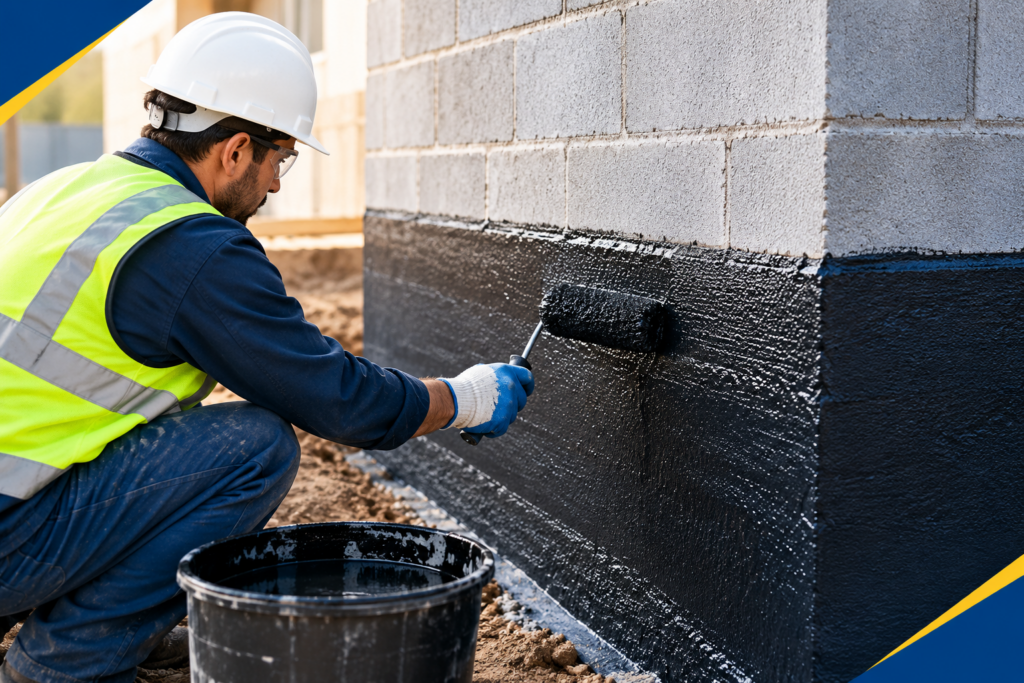
Masonry walls are designed to protect a building from the outside elements, but they are not completely immune to water. Over time, rain, snow, humidity, and changing temperatures can take a toll on brick, concrete, and stone surfaces. Small cracks, worn mortar joints, and gaps around windows or other openings can give water a way into the building.
Once moisture gets behind a masonry wall, the problem may become more than just a few stains on the surface. Continued water intrusion can contribute to damaged mortar, deteriorating masonry, interior moisture, and costly repairs.
This is where professional masonry waterproofing becomes important. A qualified Masonry Waterproofing Contractor can identify vulnerable areas, address existing problems, and apply suitable waterproofing solutions to help protect the building from moisture.
For property owners in New York City, regular attention to exterior masonry is especially important because buildings face rain, snow, freezing temperatures, strong winds, and seasonal weather changes throughout the year.
What Is Masonry Waterproofing?
Masonry waterproofing is a method of protecting exterior walls from excessive water absorption and moisture penetration. It can be used on materials such as brick, concrete block, stone, and other masonry surfaces. The process is not simply about putting a waterproof coating over a wall. Good waterproofing starts with understanding how and where water is entering the building.
Depending on the condition of the wall, the work may include repairing cracks, restoring damaged mortar joints, sealing openings, treating vulnerable areas, or applying an appropriate water-repellent or waterproofing system. The right solution depends on the building materials, wall condition, location of the problem, and amount of water exposure.
Why Does Water Get Into Masonry Walls?
Masonry may look solid, but it contains small pores and joints through which moisture can move. Over many years, normal weather exposure can make these areas more vulnerable.
Some common causes of water intrusion include:
- Cracked bricks or masonry units
- Deteriorated mortar joints
- Open or damaged joints
- Failed sealants around windows and doors
- Poorly sealed wall penetrations
- Damaged flashing
- Aging waterproofing systems
- Water collecting near exterior walls
- Repeated freezing and thawing
- Heavy rain or snow
A small defect may not seem serious at first. However, repeated exposure to water can gradually make the condition worse.
What Happens When Moisture Enters Masonry?
Water intrusion can affect a building slowly, which is one reason masonry moisture problems are sometimes overlooked. When water repeatedly enters a wall, it can contribute to deterioration of mortar and masonry surfaces. During freezing weather, trapped moisture can freeze and expand, placing additional stress on the surrounding material.
Moisture can also travel toward interior spaces. Property owners may eventually notice:
- Water stains
- Damp patches
- Peeling paint
- Bubbling or damaged finishes
- Musty odors
- White deposits on masonry
- Crumbling mortar
- Cracked or damaged masonry
These signs do not always point to the same cause. A professional inspection can help determine where the water is coming from and what needs to be repaired.
Signs Your Masonry May Need Waterproofing
Knowing the early warning signs can help property owners address moisture problems before they become more complicated.
Visible Cracks
Cracks in exterior masonry can provide an easy path for water. Some cracks are minor, while others may require more detailed evaluation.
Damaged Mortar Joints
Mortar naturally wears down with age and weather exposure. If joints are cracked, recessed, or missing sections, water can enter through these areas.
Water Stains on Interior Walls
A recurring stain on an interior wall, particularly near an exterior masonry wall, may indicate moisture penetration.
Efflorescence
White, powder-like deposits sometimes appear when moisture moves through masonry and carries dissolved salts to the surface. This can be a useful sign that further investigation is needed.
Peeling Interior Finishes
Paint, plaster, or other interior finishes may begin to peel when they are repeatedly exposed to moisture.
Damp or Musty Areas
Persistent dampness or musty odors can also indicate an ongoing moisture problem.
How a Masonry Waterproofing Contractor Can Help
Waterproofing should be based on the actual condition of the building rather than a one-size-fits-all approach. A professional Masonry Waterproofing Contractor typically begins by examining the exterior wall and looking for possible entry points. The inspection may include masonry surfaces, mortar joints, window and door openings, transitions, cracks, and other areas that may allow water to enter.
Once the problem is understood, the contractor can determine whether the wall needs repairs, sealing, waterproofing, or a combination of treatments.
A typical project may involve:
- Inspecting the masonry to identify visible damage and vulnerable areas.
- Finding potential water entry points rather than focusing only on interior symptoms.
- Repairing damaged masonry or mortar where necessary.
- Preparing the surface before waterproofing materials are applied.
- Applying the appropriate waterproofing treatment for the masonry and building conditions.
- Reviewing the completed work to make sure important areas have been properly addressed.
This process helps ensure that waterproofing is part of a broader moisture-control strategy.
Common Masonry Waterproofing Methods
The appropriate method depends on the wall and the source of the moisture. Some commonly used approaches include:
Water-Repellent Sealers
Water-repellent treatments can help reduce the amount of water absorbed by certain masonry surfaces while allowing the material to maintain appropriate vapor movement, depending on the product selected.
Masonry Crack Repair
Cracks should be properly evaluated and repaired before waterproofing. Treating only the surface may not address movement or deterioration underneath.
Mortar Joint Repair
Deteriorated mortar can leave gaps where water can enter. Repairing damaged joints can improve the overall condition of the masonry wall.
Waterproof Coatings
Certain masonry coatings are designed to provide additional protection against moisture. The coating must be compatible with the surface and suitable for the specific application.
Sealant Around Openings
Windows, doors, pipes, vents, and other penetrations can become common water entry points. Properly sealing these areas can help prevent moisture from getting behind the wall.
Why Masonry Waterproofing Is Important for NYC Buildings
New York City buildings are exposed to a wide range of weather conditions. Heavy rain can test exterior wall systems, while snow and freezing temperatures can create additional stress on masonry. Older buildings may have decades-old mortar, sealants, repairs, and waterproofing materials. Even newer buildings can develop localized problems when exterior materials are damaged or maintenance is delayed.
For this reason, property owners should not wait until a small leak becomes a major interior problem. Regular exterior inspections and timely maintenance can help identify vulnerable areas earlier.
Benefits of Professional Masonry Waterproofing
Proper waterproofing can provide several practical benefits for building owners.
Helps Limit Water Penetration
A suitable waterproofing system can reduce the amount of moisture entering exposed masonry surfaces.
Helps Protect Exterior Walls
Keeping excessive moisture away from vulnerable areas can help reduce weather-related deterioration.
Helps Prevent Interior Moisture Problems
Addressing exterior water entry can help protect interior walls, finishes, and occupied spaces from moisture-related damage.
Supports Long-Term Building Maintenance
Regular masonry maintenance and waterproofing can help property owners manage exterior wall conditions before they become more difficult to repair.
Helps Preserve the Appearance of Masonry
Water stains, efflorescence, damaged mortar, and other moisture-related issues can affect the appearance of a building. Proper maintenance can help keep exterior surfaces in better condition.
Why You Should Not Ignore a Small Masonry Leak
A small leak may be easy to overlook, especially when it appears only after heavy rain. But recurring moisture usually has a reason. The visible stain inside the building may not be located directly below the actual entry point. Water can travel through masonry and building components before appearing indoors.
That is why applying a product to the visible area without finding the source may provide only a temporary solution. Finding and addressing the source of water is an important part of effective masonry waterproofing.
How to Choose a Masonry Waterproofing Contractor
Choosing the right contractor is an important part of protecting your property.
Before starting a project, property owners should look for a contractor who:
- Has experience working with masonry buildings
- Inspects the wall before recommending a solution
- Can identify possible sources of water intrusion
- Understands different masonry materials and conditions
- Uses appropriate repair and waterproofing methods
- Clearly explains the recommended work
- Understands the challenges of NYC buildings and weather conditions
A professional approach should focus on the condition of the building rather than simply recommending the same waterproofing treatment for every project.
Masonry Waterproofing Services From Reliance Group NYC
Reliance Group NYC provides building exterior and construction-related services for properties throughout New York City. Masonry and waterproofing work requires attention to the condition of exterior walls, joints, openings, and other areas where water may enter. For property owners experiencing leaks, dampness, deteriorating mortar, or other masonry concerns, a professional assessment can help identify the source of the problem and determine what type of repair or waterproofing may be appropriate.
Addressing these concerns early can make exterior maintenance more manageable and help protect the building from continued moisture exposure.
Final Thoughts
Masonry walls play an important role in protecting a building, but they are constantly exposed to weather. Over time, cracks, deteriorated mortar, damaged sealants, and other openings can allow water to find its way inside. Professional masonry waterproofing helps address these vulnerabilities and provides an additional layer of protection against moisture. More importantly, effective waterproofing starts with understanding the cause of the water intrusion.
If you have noticed water stains, damaged mortar, cracks, damp areas, or other signs of moisture around your building, consider having the masonry professionally evaluated. Working with an experienced Masonry Waterproofing Contractor can help you identify potential problems and choose a suitable approach for protecting your building.