
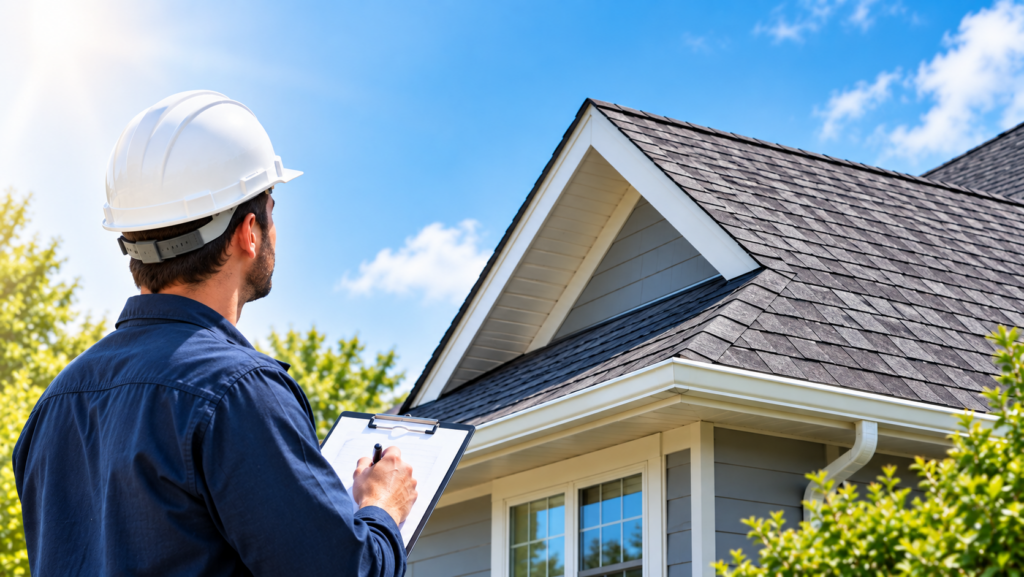
A roof protects your building from rain, snow, wind, heat, and other weather conditions. Over time, even a well-maintained roof can develop problems that affect its performance. Knowing when to replace a roof can help property owners avoid costly damage and protect the structure of their building.
For NYC property owners, regular roof inspections are especially important because roofs are exposed to changing weather throughout the year. Small problems such as leaks or damaged roofing materials can become more serious if they are ignored. So, how do you know when a roof needs to be replaced? Several signs can help you make an informed decision.
How Long Does a Roof Last?
The lifespan of a roof depends on the roofing material, installation quality, maintenance, weather exposure, and building conditions. Some roofs can last for several decades when properly installed and maintained, while others may require replacement sooner. The age of the roof is therefore an important factor, but it should not be the only consideration.
If your roof is approaching the expected end of its service life, scheduling a professional inspection can help determine whether repairs are enough or replacement should be considered.
Signs You May Need to Replace Your Roof
1. Frequent Roof Leaks
Occasional minor leaks may sometimes be repaired. However, repeated leaks can indicate that the roofing system is deteriorating.
Water entering through the roof can damage insulation, ceilings, walls, and other parts of the building. If leaks continue even after repairs, a complete roof replacement may be more practical than repeated patching.
2. Visible Roof Damage
Cracked, split, loose, or damaged roofing materials should not be ignored. Areas that appear worn or deteriorated may allow water to penetrate the roofing system.
A professional roofing contractor can inspect the damaged areas and determine whether localized repairs are possible or whether the roof has reached the point where replacement is needed.
3. The Roof Is Near the End of Its Service Life
Roofing materials have different expected lifespans. If your roof is old and showing several signs of deterioration, replacement may become necessary even if there are no major leaks yet.
Planning ahead can give property owners more time to compare options, prepare a budget, and schedule the work before a major roofing failure occurs.
4. Sagging Areas
A sagging roof can be a serious warning sign. It may indicate problems with the roofing system, moisture damage, decking, or structural components.
Sagging should be professionally assessed rather than covered with a temporary repair. Identifying the underlying problem is important before deciding whether repair or replacement is appropriate.
5. Increasing Repair Costs
Regular maintenance is part of responsible building ownership, but constantly paying for major roof repairs can become expensive.
If your roof requires frequent repairs because different areas continue to fail, replacing the roofing system may provide a more practical long-term solution.
6. Water Damage Inside the Building
Roof problems do not always remain outside. Water infiltration can eventually appear as ceiling stains, damp walls, peeling paint, mold growth, or damaged interior materials.
Visible interior damage does not always mean the entire roof needs replacement, but it is a reason to have the roof and related components inspected as soon as possible.
Roof Repair vs. Roof Replacement
One of the most common questions property owners ask is whether they should repair or replace their roof.
Roof repair may be appropriate when the damage is limited to a small, isolated area and the overall roofing system remains in good condition.
Roof replacement may be considered when damage is widespread, the roof is approaching the end of its service life, or repairs are no longer providing a reliable solution.
A professional inspection can help identify the condition of the roof and determine the most appropriate approach for the property.
Why NYC Weather Can Affect Roof Condition
NYC roofs are exposed to a range of weather conditions throughout the year. Heavy rain, snow, strong winds, temperature changes, and seasonal moisture can place stress on roofing materials. These conditions can contribute to deterioration over time, especially when existing damage is not addressed.
For this reason, NYC property owners should include roof inspections and maintenance in their regular building care plans.
What Happens If You Delay Roof Replacement?
Delaying necessary roof replacement can allow existing problems to become more extensive. A small leak, for example, may eventually affect insulation, ceilings, walls, or other building components. Water infiltration can also create additional repair requirements beyond the original roofing problem.
Replacing a roof at the appropriate time can help reduce the risk of unexpected damage and give property owners greater control over maintenance planning.
How to Know If Your Roof Needs Replacement
There is no single rule that determines when every roof should be replaced. The decision depends on several factors, including:
- Age and type of roofing system
- Frequency of leaks
- Extent of visible damage
- Condition of roofing materials
- Previous repair history
- Water damage
- Drainage problems
- Condition of the underlying roof structure
- Overall maintenance history
A professional roof inspection can bring these factors together and provide a clearer picture of the roof’s current condition.
Professional Roof Replacement in NYC
If your building’s roof is aging, leaking frequently, or showing significant signs of deterioration, professional evaluation is an important first step.
Reliance Group NYC provides roofing services for property owners who need professional assistance with roof repair, maintenance, and replacement. An experienced roofing contractor can evaluate the existing system, identify problem areas, and explain the available options based on the building’s condition.
The goal should not simply be to replace a roof as quickly as possible. It is to understand the condition of the existing roofing system and choose an appropriate solution for the property.
Final Thoughts
So, when should you replace a roof? The answer depends on the roof’s age, condition, repair history, and the extent of existing damage. Frequent leaks, visible deterioration, sagging areas, increasing repair needs, and an aging roofing system can all indicate that replacement should be considered.
For NYC property owners, regular inspections and timely maintenance can help identify roofing problems before they become larger building issues. If you are unsure whether your roof needs repair or replacement, having it professionally inspected can help you make a more informed decision.
Frequently Asked Questions
How do I know if my roof needs to be replaced?
Common signs include frequent leaks, missing or damaged roofing materials, sagging areas, visible deterioration, water damage, and a roof that is approaching the end of its expected service life. A professional inspection can determine whether repair or replacement is appropriate.
How often should a roof be replaced?
Roof replacement frequency depends on the roofing material, installation quality, maintenance, weather exposure, and overall condition. Some roofing systems can last for decades, while others may need replacement sooner.
What are the signs that you need a new roof?
Common warning signs include recurring leaks, cracked or missing shingles, curling or buckling materials, sagging areas, water stains, extensive wear, and frequent repair needs.
Is it better to repair or replace a roof?
Repair may be suitable when the damage is limited and the rest of the roof is in good condition. Replacement may be considered when damage is widespread, the roof is aging, or repairs are becoming frequent.
How long does a roof last?
A roof’s lifespan depends on its material, installation, maintenance, climate, and exposure to weather. Roofing materials have different expected service lives, so the age of the roof should be considered along with its current condition.
Can a leaking roof be repaired instead of replaced?
Yes, a roof leak can sometimes be repaired when the problem is isolated, such as damaged flashing or a small damaged section. If leaks continue or occur in multiple areas, a professional should evaluate the entire roofing system.
What happens if you don’t replace an old roof?
An aging or damaged roof can allow water to enter the building and potentially damage insulation, ceilings, walls, decking, and other components. Addressing roofing problems early can help prevent more extensive damage.
What is the best time of year to replace a roof?
The appropriate time depends on the local weather, roofing material, project requirements, and contractor availability. In many areas, mild and relatively dry weather can make roof replacement easier to schedule.
How much does it cost to replace a roof?
Roof replacement costs vary depending on the roof size, material, accessibility, labor, existing damage, removal requirements, and other project details. A professional inspection and detailed estimate are needed for an accurate cost.
Should I replace my roof before it starts leaking?
Not necessarily. However, if an aging roof already shows significant deterioration or other warning signs, having it inspected before a major leak occurs can help you plan repairs or replacement and reduce the risk of unexpected damage.