
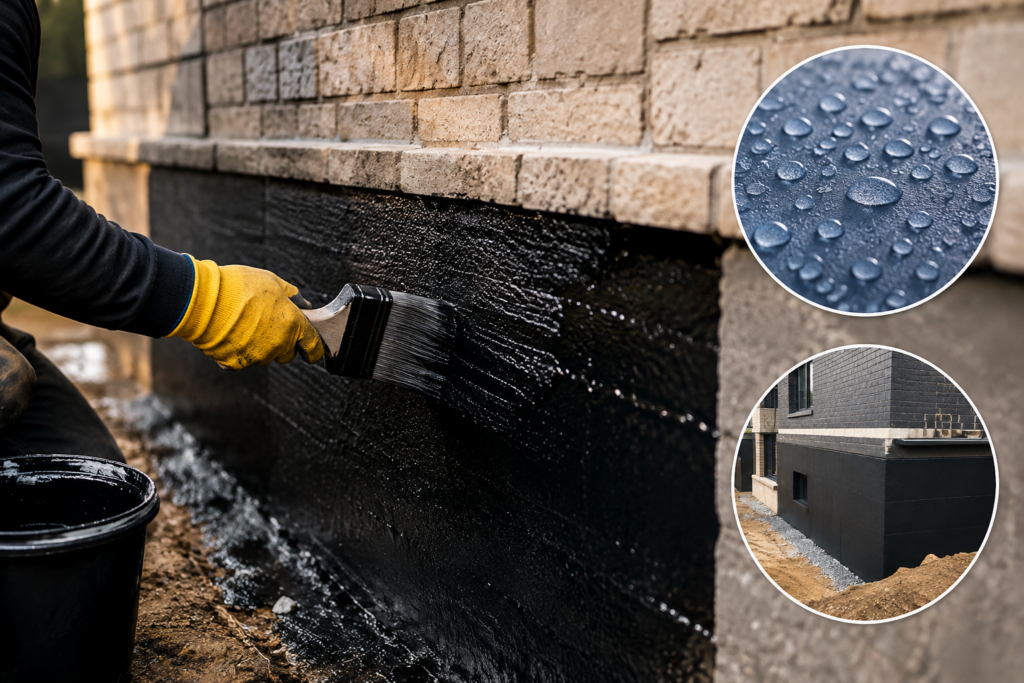
Older buildings have a unique charm, but their masonry walls often need more care than newer structures. Years of exposure to rain, snow, humidity, temperature changes, and pollution can weaken brick and mortar. Water can slowly enter small cracks and joints, leading to serious masonry problems if the damage remains untreated.
For property owners, hiring a reliable masonry waterproofing contractor can help protect the building from moisture damage and extend the life of its exterior. Proper waterproofing also helps maintain the appearance, safety, and structural condition of older properties.
What Makes Older Masonry Buildings Vulnerable to Water?
Many older buildings were constructed with traditional brick, stone, and mortar materials. Over time, these materials naturally weather and lose some of their ability to keep water out.
Small cracks may develop in mortar joints, while bricks can become porous after years of exposure. Damaged flashing, aging sealants, and open joints can create additional entry points for water.
Once moisture gets behind the masonry, it may travel through walls and reach interior spaces. Property owners should address these warning signs early to avoid more expensive repairs.
How Can Water Damage Older Masonry?
Water is one of the most common causes of masonry deterioration. When moisture enters a wall, it can cause several problems that become worse over time.
Cracked and Deteriorated Mortar
Mortar joints can crack, crumble, or become loose as a building ages. These damaged joints allow rainwater to move deeper into the wall.
Professional repointing can restore damaged joints, while waterproofing can provide an additional layer of protection against moisture. Addressing both issues can help prevent recurring water infiltration.
Brick Spalling
Spalling occurs when the surface of a brick begins to break, flake, or peel. Freeze-thaw cycles can make this problem worse because trapped water expands when it freezes.
Replacing severely damaged bricks and controlling moisture can help protect the surrounding masonry. Property owners should arrange an inspection when they notice loose or deteriorating brick surfaces.
Interior Water Damage
Moisture that passes through exterior masonry can eventually affect interior walls and ceilings. This may lead to stains, peeling paint, damp areas, or musty odors.
These signs often indicate that water is entering from an exterior source. A professional masonry waterproofing contractor can inspect the building envelope and identify potential moisture entry points.
Why Is Masonry Waterproofing Important for Older Buildings?
Masonry waterproofing provides an important defense against water infiltration. A properly selected waterproofing system can reduce moisture penetration while allowing the masonry to perform as intended.
Protects Masonry Materials
Waterproofing helps reduce the amount of moisture that enters porous brick and stone. This can slow deterioration and help preserve exterior masonry for longer.
Older buildings often contain materials that require careful treatment. Using the wrong coating or application method can trap moisture inside the wall, so professional assessment is important.
Helps Prevent Costly Repairs
Ignoring small water problems can lead to larger repairs later. Moisture can damage mortar, masonry, insulation, interior finishes, and other building components.
Early waterproofing can help property owners address moisture concerns before they become extensive. Schedule a professional inspection if your building shows signs of water infiltration.
Supports Long-Term Building Maintenance
Waterproofing works best as part of a wider masonry maintenance program. Regular inspections can identify cracks, deteriorated joints, damaged sealants, and other vulnerable areas.
Combining routine maintenance with professional waterproofing can help preserve the building’s exterior and reduce unexpected repair needs.
What Areas Should Be Checked During Masonry Waterproofing?
A complete inspection should cover more than visible cracks. Water can enter through several parts of an older building’s exterior.
Mortar Joints
Inspectors should check mortar joints for cracks, gaps, crumbling, and other signs of deterioration. Damaged joints may require repointing before waterproofing begins.
Brick and Stone Surfaces
Porous or damaged masonry can absorb significant amounts of water. Professionals should look for spalling, cracks, staining, and other signs of moisture exposure.
Window and Door Openings
Joints around windows and doors can become vulnerable as sealants age. Properly maintained sealants and flashing help direct water away from these openings.
Copings and Parapets
Parapets and masonry caps receive direct exposure to rain and snow. Damaged coping, open joints, or poor drainage can allow water to enter the wall system.
A thorough inspection of these areas can help identify problems before they cause extensive damage. Contact a qualified masonry waterproofing contractor for a detailed assessment of vulnerable masonry areas.
How Does a Professional Masonry Waterproofing Contractor Help?
Waterproofing an older building requires more than simply applying a waterproof coating. Professionals first need to understand how the existing masonry handles moisture.
A contractor can inspect the exterior, locate potential entry points, evaluate damaged masonry, and recommend an appropriate waterproofing approach. Depending on the building’s condition, the work may involve masonry repairs, repointing, crack treatment, sealant replacement, flashing repairs, or waterproofing.
The correct method depends on the masonry type, building age, exposure, and existing moisture conditions. Property owners should choose a contractor with experience working on older masonry structures.
When Should Older Buildings Be Waterproofed?
There is no single schedule that works for every building. However, property owners should consider waterproofing when they notice recurring moisture problems or visible masonry deterioration.
Common warning signs include:
- Cracked or missing mortar
- Damp interior walls
- Water stains
- Peeling interior paint
- Spalling bricks
- Efflorescence or white mineral deposits
- Failed exterior sealants
- Repeated leaks after heavy rain
- Deteriorated parapet or coping joints
These problems should not be ignored. Early attention can reduce the chance of extensive masonry deterioration and help protect the building over the long term.
Protect Your Older Building With Professional Waterproofing
Older masonry buildings need regular attention to remain strong and weather-resistant. Water can gradually weaken mortar, damage bricks, and create interior moisture problems. Professional waterproofing helps reduce these risks and supports the long-term condition of the building.
Reliance Group NYC provides professional masonry and building restoration solutions for property owners who need dependable exterior protection. If your building has cracks, leaks, deteriorated masonry, or signs of water infiltration, arrange a professional assessment before the problem becomes more serious.
Conclusion
Masonry waterproofing plays an important role in protecting older buildings from moisture-related deterioration. By controlling water infiltration and addressing vulnerable areas, property owners can help preserve masonry, reduce repair costs, and maintain their building’s exterior.
The key is to act before minor moisture problems become major structural or restoration concerns. A qualified masonry waterproofing contractor can evaluate the building and recommend the right approach for its specific needs. Contact Reliance Group NYC to discuss professional waterproofing and masonry restoration services for your property.